In an ideal situation, when people think about electrification, they picture cables, poles, transformers! These are the most noticeable markers of progress in the energy sector. But at the Rural Electrification Authority (REA), we know that real development is about more than infrastructure. It’s about people. Their health, their Wealth. Their knowledge. Their future.
That’s why, alongside laying power lines and installing transformers, REA also delivers HIV/AIDS sensitization as part of its community mobilization strategy during project implementation. It might seem like an unexpected pairing at first, electricity and health education. But in rural Zambia, where access to both services can often times be limited, this approach is not only innovative, it’s essential.
Rural infrastructure projects, particularly those involving construction works, often attract a mobile workforce and create short-term economic activity. This shift in local dynamics can increase the risk of HIV transmission if communities are not properly informed and prepared. That is why we believe that by embedding HIV/AIDS awareness into our engagement with local stakeholders, REA plays a small but powerful role in preventing new infections and promoting healthy behaviours.
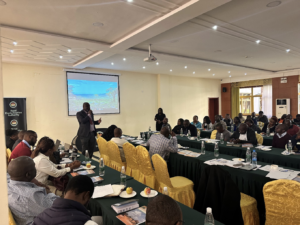
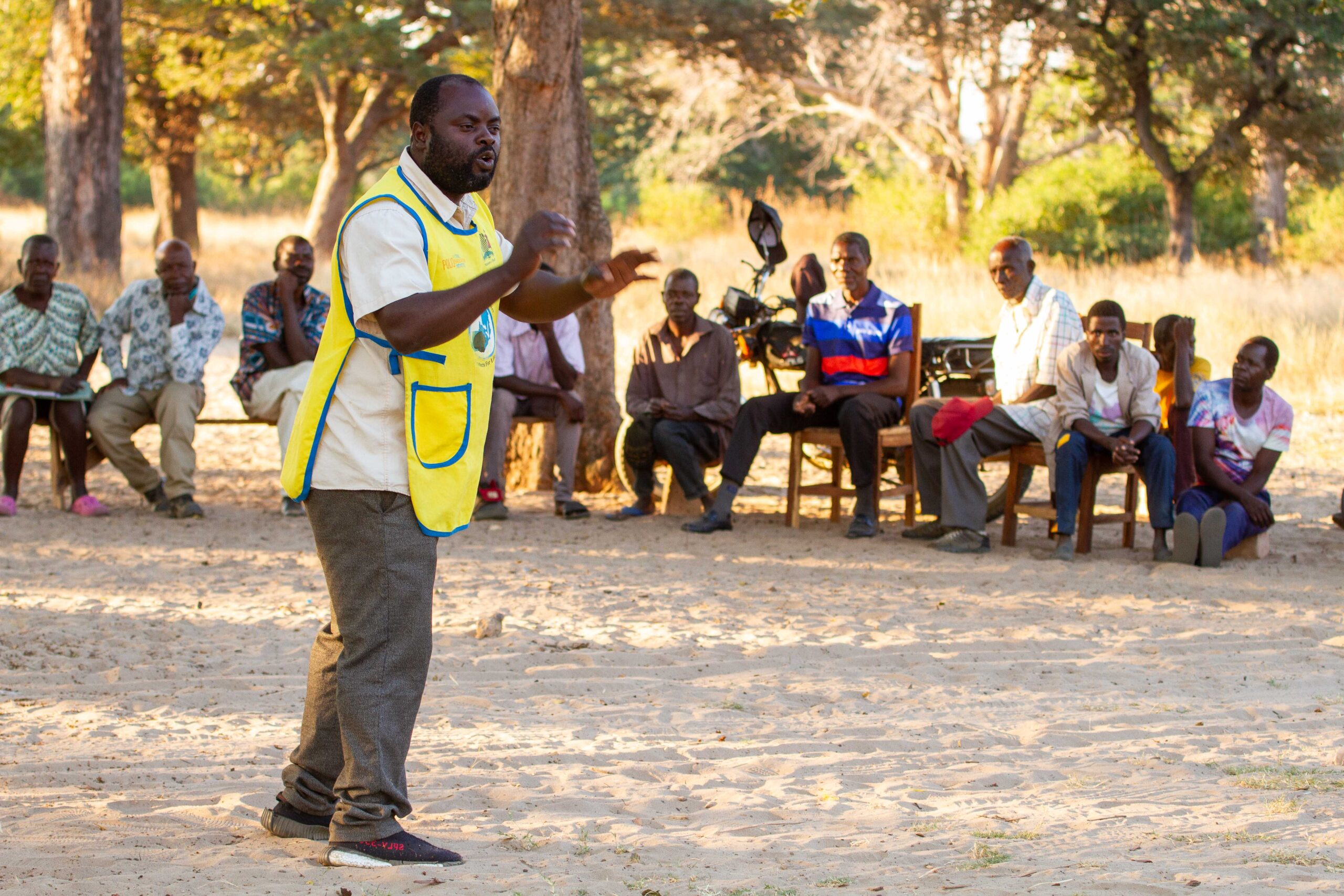
These sessions with local communities are not just about handing out leaflets. They’re about starting conversations that matter. We work with district health officials, peer educators, and community leaders to facilitate open, inclusive discussions on prevention, testing, stigma, and access to local health services. In many communities, these sensitization efforts are the first time residents have received accurate, youth-friendly, or gender-sensitive information about HIV/AIDS.
It’s a responsibility we take seriously. Electrification brings people together, for meetings, for work, for opportunity. It creates a platform, and with that platform comes the opportunity to mainstream critical public health messaging that might otherwise be out of reach.
Beyond the health benefits, integrating HIV/AIDS awareness into project roll-out also strengthens community trust. It shows that REA is not just here to dig trenches or switch on lights but that we’re here to invest in the wellbeing of the people we serve. This approach reinforces the idea that infrastructure development should be inclusive, responsible, and responsive to the broader needs of society, which is why we exist.
Community mobilisation has a ripple effect on development that go beyond what is written in a project budget, or its scope. The knowledge gained in one sensitization meeting can protect a young person for a lifetime. A testing referral can save a mother. A conversation about stigma can restore dignity to someone living with HIV.
As REA continues to expand its reach across Zambia, we carry this lesson with us: power is not just about what flows through a cable. It’s also about what flows through a community which is information, hope, and a shared sense of responsibility.
Because at the end of the day, a truly electrified Zambia is not just one that is lit, but one that is healthy, informed, and empowered.