In the north-western stretch of Kalumbila District, the quiet but vast community of Kisasa is stepping into a new era, one powered not by candles and charcoal, but by reliable electricity. Thanks to the Kisasa Grid Intensification Project (GIP), implemented by the Rural Electrification Authority (REA) under the 2025 Work Plan, over 2,400 households and institutions in the area are now within reach of clean and stable power.
The project, funded to the tune of over ZMW 8 million, involved the construction of 126 meters of 33kV overhead lines, over 20 kilometres of low-voltage lines, and the installation of four transformers. But this and many other projects isn’t just about infrastructure but about what the infrastructure enables.
Through the National Energy Access Transformation (NEAT) subsidy initiative, the project is not only delivering power but also making it affordable for rural households. With the high cost of connections historically acting as a barrier, NEAT is helping to level the playing field so that families and small businesses can finally flip the switch without breaking the bank. With ZESCO’s connection fees now pegged at K4,846, the subsidy programme under NEAT serves as a major opportunity for the people of Kisasa to access electricity at K300. This bargain price also includes connections to small and medium businesses in eligible areas.
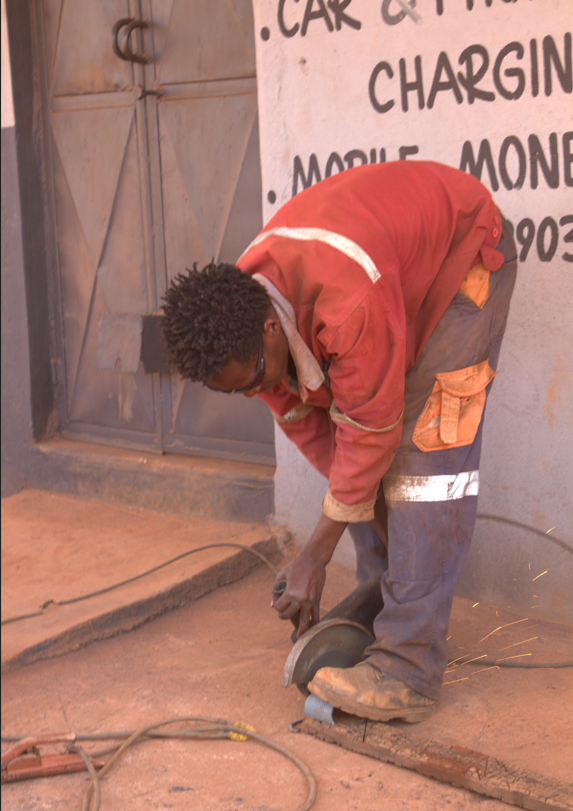
During a recent media facility visit to Kisasa, we met Evans Chilufya, a local welder at the market who shared how electricity will reshape his business.
“Before we had power here, I could only do small jobs using basic tools, constantly buying diesel. Now I’m running proper machines, working faster, and even thinking of expanding because I am now saving a lot from the cost of diesel,” he said, sparks quite literally flying as he spoke.
It’s these everyday transformations, the quiet wins, that truly capture what electrification means for a community, for the Government and indeed, REA.
The benefits go beyond welding and workshops. Schools like Kisasa Secondary can now power computer labs, run lights for evening studies, and introduce digital teaching aids.
“Now we can use computer labs, study in the evenings, and even learn ICT subjects. For those of us who come from homes where there is no power, at least we can stay back and use the electricity in school,” said Serah Kapila, a Grade 12 pupil at Kisasa Secondary.
Health posts will be able to store vaccines and extend service hours. For the Government and even for us at REA, small things like a fan in the summer or a radio in the evening make a big difference to rural life.
REA Western Regional Manager Eng. Marshall Mweemba, noted during the tour that rural electrification must be about more than just access; it should empower communities to do more, earn more, and dream bigger.
“Now that the infrastructure is in place, we’re working closely with ZESCO and local leaders to get households connected. This area [Kisasa] is part of the new subsidy programme, so once families sign up, they’ll start enjoying the full benefits at only K300,” said Eng. Marshall Mweemba
More importantly, the importance of awareness and community readiness through community mobilisation is a continuous process. The infrastructure is complete, yes! But it’s people in business, students in classrooms, and health workers in clinics who bring the investment to life.
“Our job doesn’t end when the grid is switched on. We have to ensure communities understand the value of connection, how to access the NEAT subsidy, and how electricity can improve lives in real, practical ways. That’s why our community mobilisation work is just as critical as the engineering,” said Justine Mukosa, Manager Corporate Affairs.
Power, after all, only matters when it changes something for the better.
